Long-term energy supply security and process stability
The chemical and life sciences industries offer great potential for efficiency gains, decarbonisation and the use of renewable energies. As a proven and trusted partner, GETEC provides chemical and life sciences companies with customised energy solutions that reduce CO₂ emissions, stabilise energy costs and ensure a secure supply of energy. These solutions adhere to strict hygiene, production and regulatory standards, enabling our customers to focus on their core business and processes.
Energy efficiency and proven expertise
Reliable, cost-effective and sustainable energy for processes and production – in the energy-intensive chemical and life sciences industry, GETEC manages and operates the entire energy supply and related infrastructure, enabling customers to meet their current and future energy needs. As GETEC takes on the long-term management of energy projects with Managed Energy Infrastructure, customers benefit from more predictable energy costs, lower risks and minimised upfront investments.
Process stability for chemicals and life sciences
- Reliable energy supply
- Reduce CO₂ emissions
- Predictable energy costs
- Optimise energy use and uptime
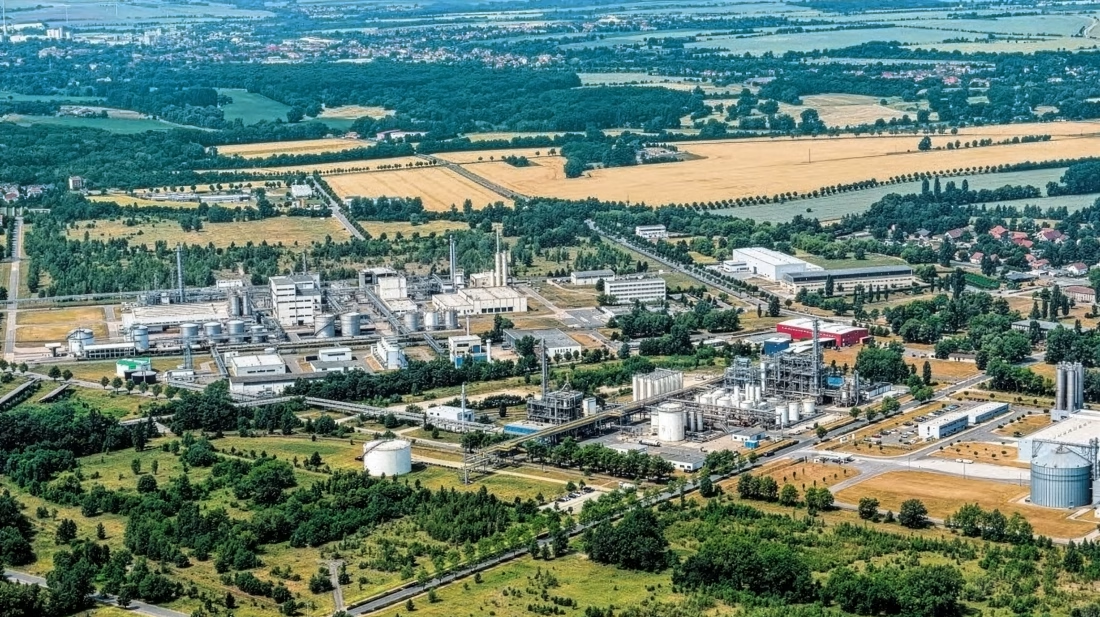

Producing sustainable, renewable products from biomass is the goal of CropEnergies. With the construction of the plant for renewable ethyl acetate in the Zeitz Chemical and Industrial Park, we are taking the next step in the implementation of our strategy.
CEO
CropEnergies AG
Latest insights
-
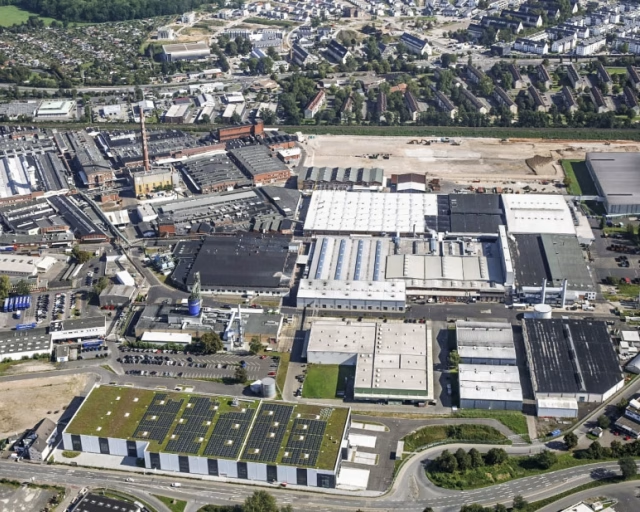
Manufacturing tyres with energy from biomass at Goodyear
Read more -
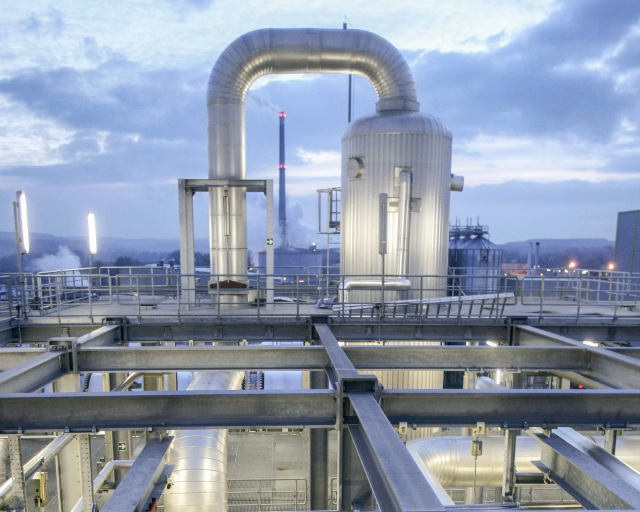
Climate-neutral energy solution for ethyl acetate plant
Read more -

Waste heat from a data centre keeps households warm
Read more -
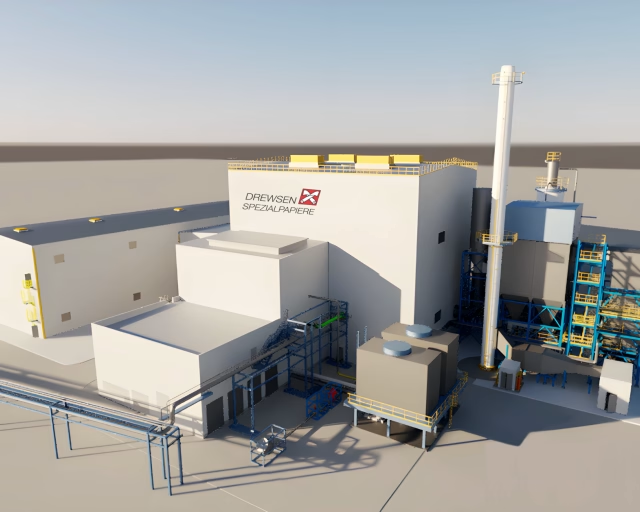
Powering a paper mill with straw and waste wood
Read more -

Geothermal energy powers new residential district in Bayreuth
Read more -
Unique power-to-heat system at German metallurgical site
Read more -
Recovered waste heat warms 5,000 households
Read more
FAQ
What is energy saving in the chemical industry?
As an energy-intensive industry, chemical plants can save energy by optimising processes, using efficient technologies and components, and implementing heat recovery systems. Renewable energy sources can also improve efficiency and help companies achieve environmental goals.
How does the chemical industry use energy?
The chemical industry uses energy as a feedstock to power processes, machinery, production and plant operations. Energy is also used for the reactions and transformations required to create chemicals and products. Using renewable sources as feedstock, instead of fossil fuels, helps to significantly reduce CO₂ emissions.
How can chemical plants increase their energy efficiency?
Efficiency gains can be made through process optimisation, digital technologies, automation and renewable energy sources. Applying the principles of “green chemistry” also helps improve energy efficiency. Examples of green chemistry include designing chemical processes to work at lower temperatures and pressures, and using catalysts to reduce the energy required for reactions.
How can life science sites be supplied with sustainable energy?
By using energy from renewable sources, such as solar, wind and battery power, supported by high-efficiency infrastructure and operations. Power Purchase Agreements (PPAs) and Renewable Energy Certificates (RECs) are further methods to ensure a sustainable energy supply.
What KPIs are relevant for energy solutions in the chemical industry?
Important KPIs in the chemical industry include energy consumption, greenhouse gas emissions, percentage of renewable energy usage, energy cost, energy investments and production levels. The ratio of energy consumption to product output is also a key indicator in chemical manufacturing.