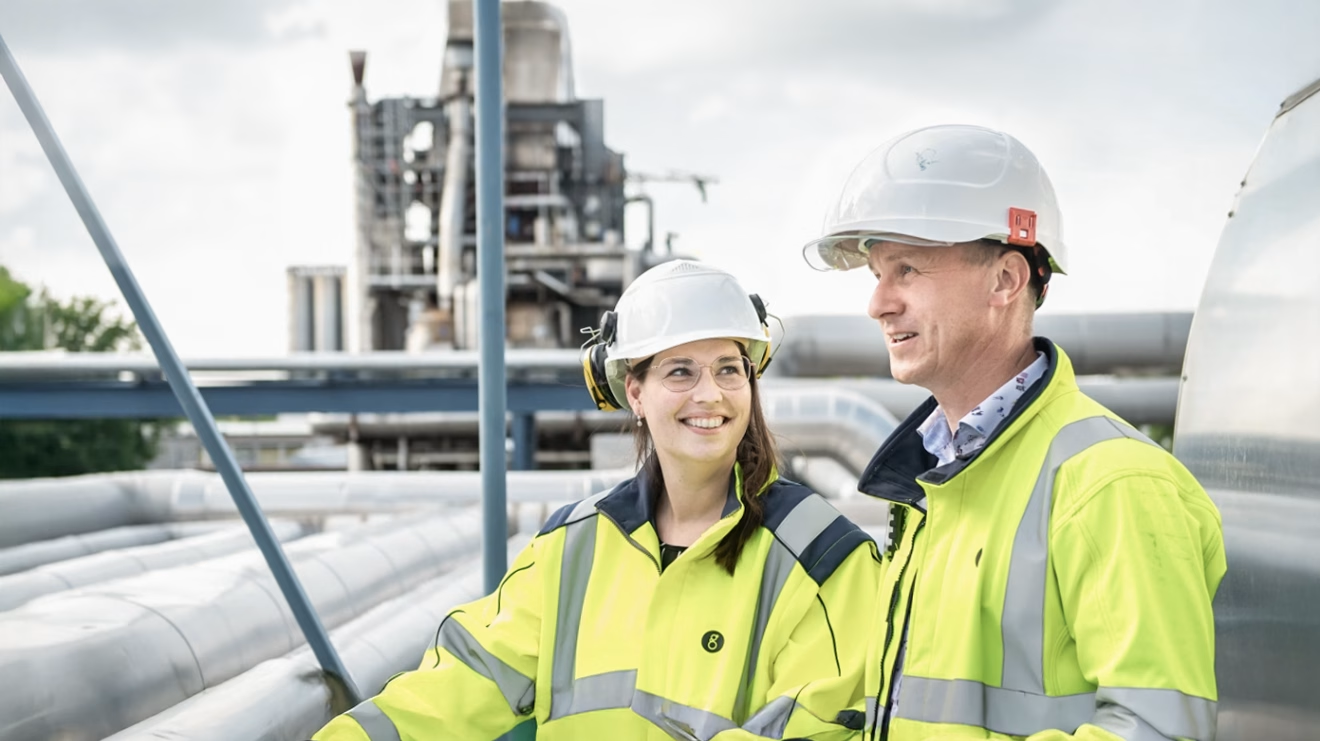
Securing energy supply, sustainability and cost-efficiency
Data centres are essential for communication networks, data processing and the digital economy. With non-stop operation, strict cooling requirements and an increasing demand for computing power, data centres are high consumers of energy. GETEC provides customised energy solutions that deliver the right balance between security of supply, sustainable operation and economic efficiency. These solutions enable data centres to meet regulatory standards, reduce their carbon footprint and transform waste heat into clean energy.
Reliable services and sustainable energy
Secure energy supply and optimised operation – with data centres evolving to become integral parts of regional energy ecosystems, GETEC provides the necessary energy infrastructure that ensures stable power consumption and cost, utilises waste heat, and meets climate protection requirements. As GETEC takes on the long-term management of energy projects with Managed Energy Infrastructure, data centres benefit from more predictable energy costs, lower risks and minimised upfront investments.
Meeting current and future energy needs
- Predictable energy costs
- Optimise energy use
- Waste heat utilisation
- Avoid upfront investments


This project is the first of its kind in Italy and a model for the sustainable use of alternative energy sources from our data centres, which directly benefits citizens.
TIM’s Chief Enterprise and Innovative Solutions Officer
TIM Enterprise
Latest insights
-
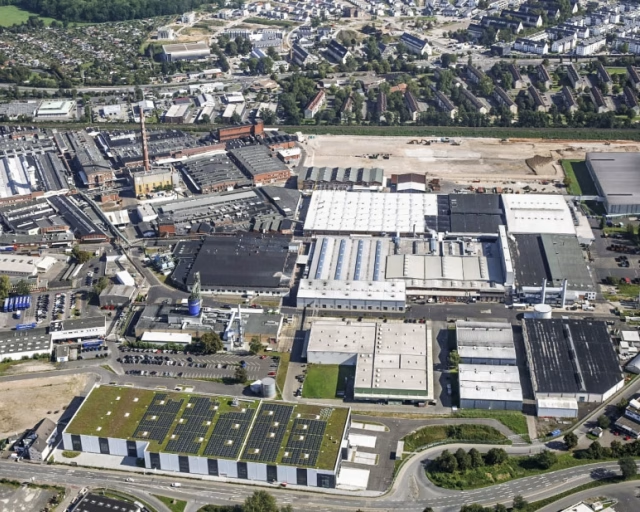
Manufacturing tyres with energy from biomass at Goodyear
Read more -
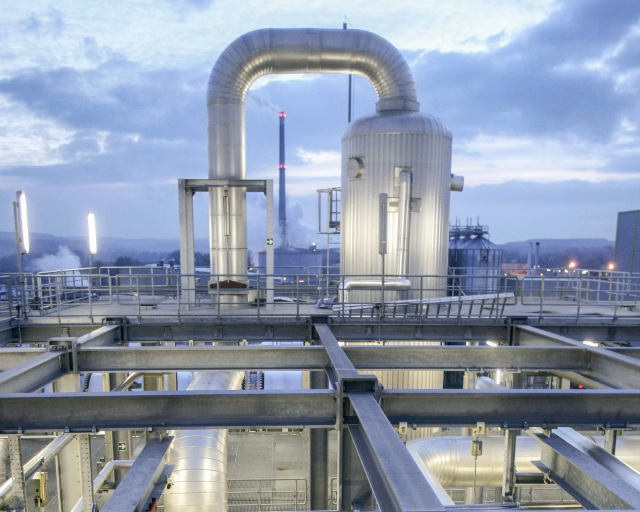
Climate-neutral energy solution for ethyl acetate plant
Read more -

Waste heat from a data centre keeps households warm
Read more -
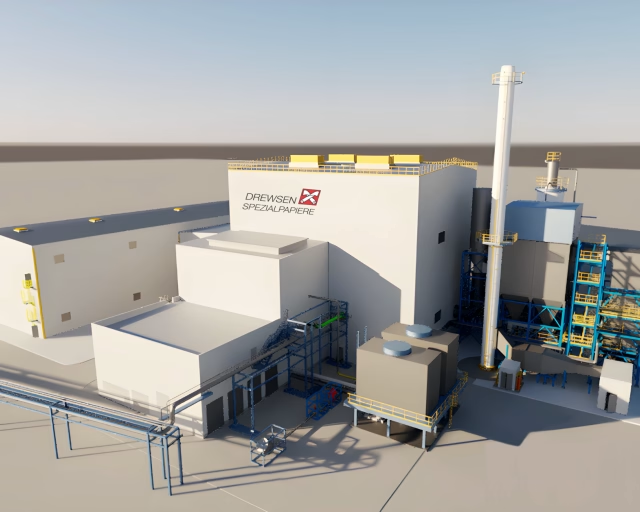
Powering a paper mill with straw and waste wood
Read more -
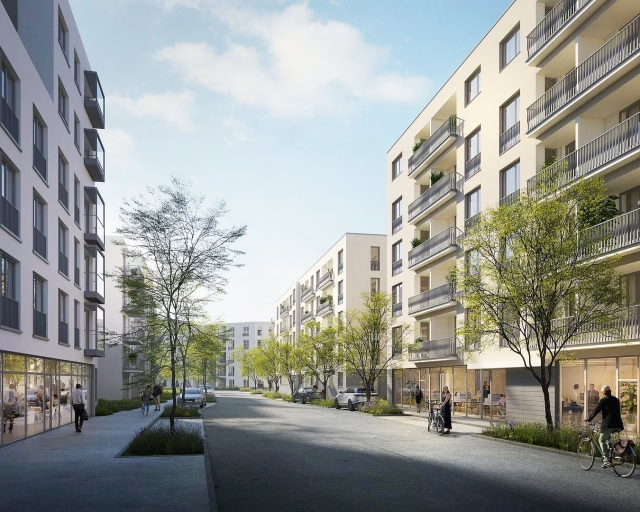
Geothermal energy powers new residential district in Bayreuth
Read more -
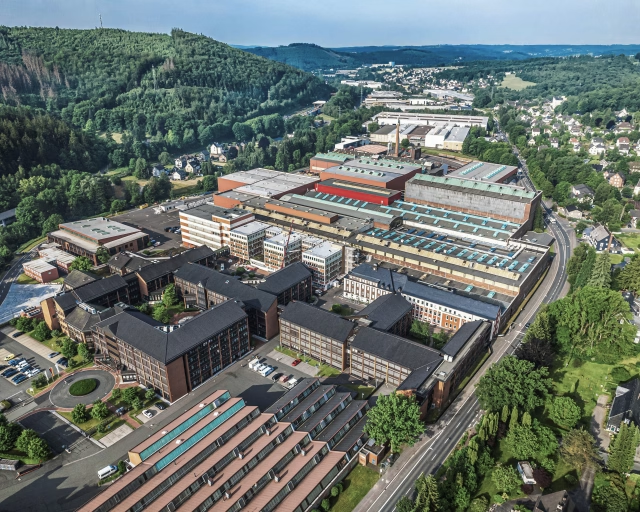
Unique power-to-heat system at German metallurgical site
Read more -
Recovered waste heat warms 5,000 households
Read more
FAQ
How is Managed Energy Infrastructure beneficial for data centres?
To meet renewable energy targets, reduce carbon emissions and benefit from predictable energy costs, data centres are increasingly opting for energy and infrastructure delivered as-a-service. GETEC has the expertise and infrastructure to integrate waste heat into local networks and ensure a stable power supply for non-stop operation. Data centres avoid upfront investments and reduce their energy costs.
What are the best energy sources for data centres?
Energy solutions that use renewable sources, such as solar and wind, are best for data centres. However, as the energy industry continues to transition, it’s important to balance security of supply, sustainability and economic efficiency. A diversified approach using a mix of energy sources provides reliability and helps meet climate protection requirements.
How can data centres be more energy efficient?
Data centres can improve energy efficiency by utilising waste heat, implementing advanced cooling technologies and using renewable energy sources. Smart power management software, on-site energy storage and predictive maintenance can also improve efficiency.
How does a data centre measure energy efficiency?
A key measurement for a data centre is the power usage effectiveness (PUE), which is the ratio of the total facility power consumption to the power used by the on-site IT equipment. A lower PUE indicates greater efficiency. Carbon usage effectiveness (CUE) tracks greenhouse gas emissions, while water usage effectiveness (WUE) measures water consumption. Individual servers and storage systems can also receive detailed efficiency ratings using power management software.
What are the different types of data centres?
The data centre market has three distinct segments: hyperscalers, co-locaters and project developers. Hyperscalers have high energy requirements, ranging from 100 MW to 600 MW, and prioritise increasing the speed of project deployment and securing reliable and cost-effective energy supplies. Co-locaters have power requirements under 100 MW, with a focus on optimising the power usage effectiveness. Project developers have smaller data centres of up to 40 MW, and seek to maximise the project and property value.